Articles
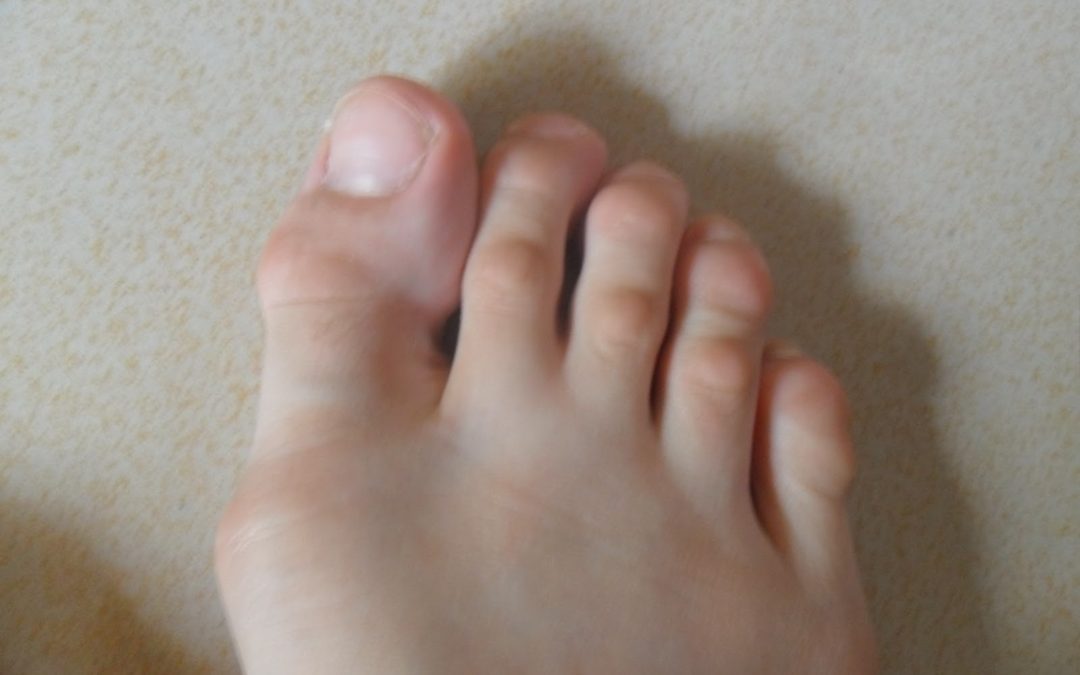
Top Tip #9 – Hammer Toes and Pointe Work
Do you or someone you know have a hammer toe? Should a dancer be discouraged from attempting pointe work if the difference between the length of the second toe and the big toe is great? Having a longer second toe or a hammer toe should not discourage you from...
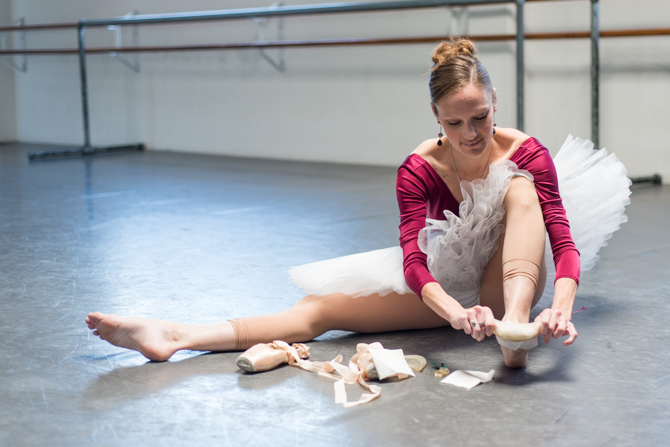
Top Tip #8 – Preparing Toes For Pointe Work
Preparing toes for pointe work is always a good idea. I’ll never forget my first bloodstained toe pad!!! There’s no doubt that the difference between a pointe shoe and a soft ballet flat is massive, which is exactly why preparing your toes properly is so important....
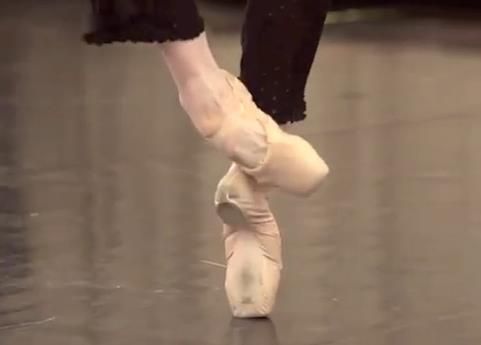
Top Tip #7- Podiatry And Pointe Work
Podiatry and pointe work can be a really beneficial combination. Podiatry is a branch of medicine devoted to the study, diagnosis and treatment of disorders of the foot, ankle and the lower leg. Going en pointe for the first time is a sign of a dancer’s maturation...
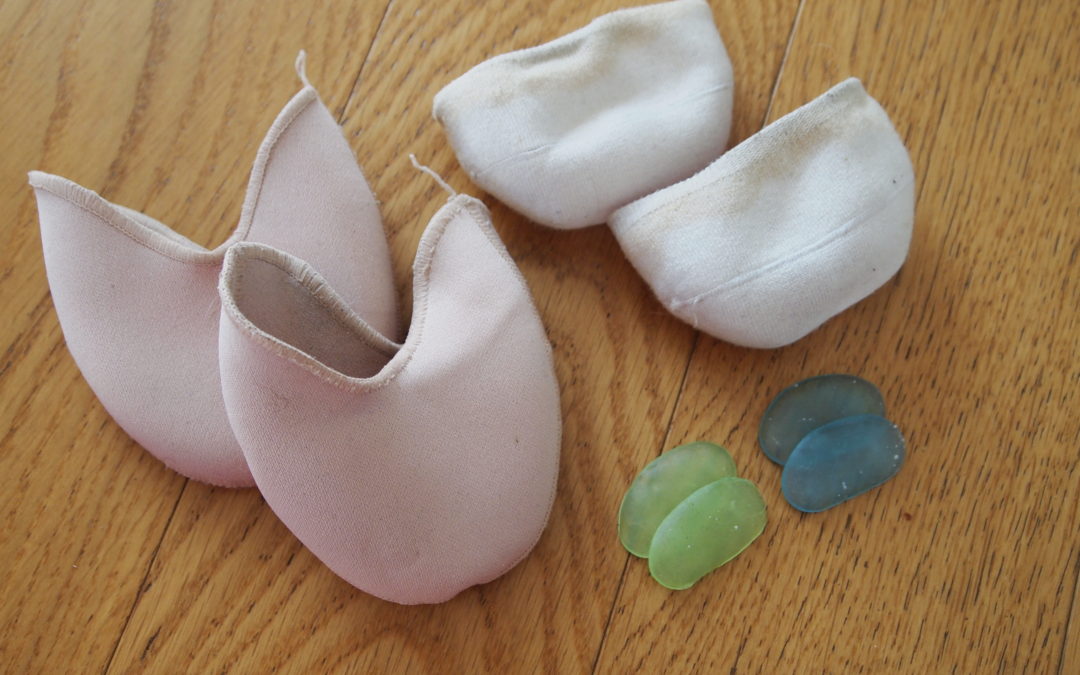
Top Tip #6 – Pointe Shoe Padding
It is known that some ballet teachers prefer their students not to wear pointe shoe padding for a number of reasons, some of which I will discuss further. I am of the opinion that these types of decisions need to be made by the student herself through a series of...
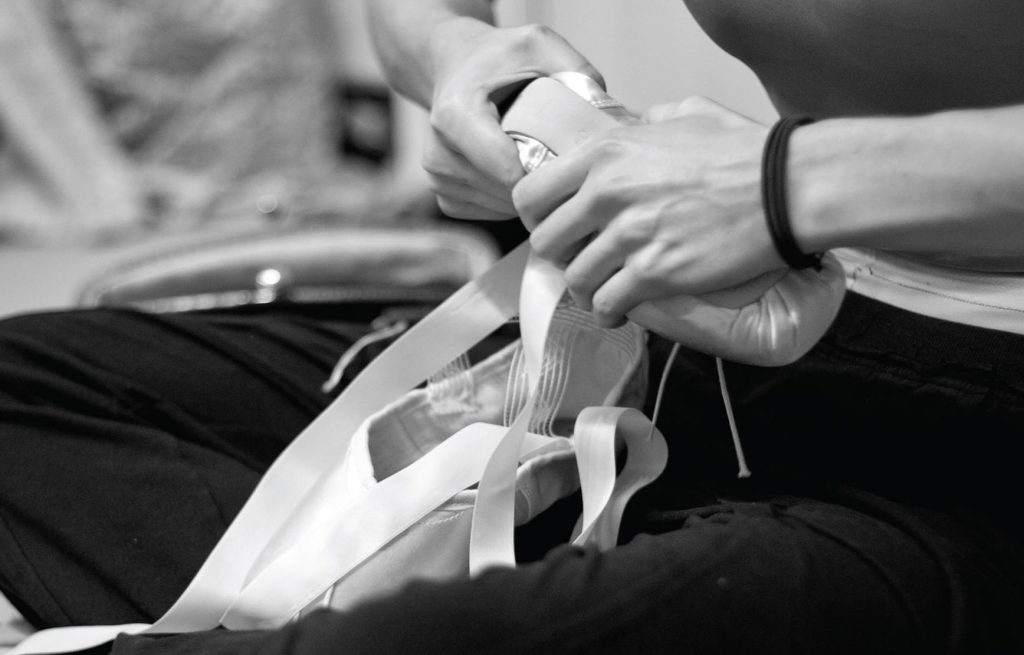
Top Tip #5 – Breaking In Your First Pointe Shoes
"Breaking in" your first pointe shoes is often very misunderstood. My firm belief is if you are genuinely strong enough to be en pointe and you have purchased a pair of pointe shoes specifically designed for a beginner en pointe, then you should only need to soften...